Wedding Monograms and Crests: Carrying One Mark Across the Whole Weekend
A monogram or crest is one of the quietest ways to make a wedding feel designed. Most couples who have one see it on the invitations and the menus, and then it stops. The weddings that feel most considered are the ones where the same mark turns up across the whole weekend, from the napkin at dinner and the robe on the morning of to the matchbox at the bar and the welcome box waiting in the hotel room.
Here's how to make a mark work beyond paper, and how to keep it feeling refined rather than branded.
Start With the Artwork
A mark designed for an invitation isn't always ready to be embroidered on linen or etched into glass. Before anything gets made, it's worth having:
- A vector file (an Adobe Illustrator .ai file is ideal), not a screenshot or a JPEG
- A simplified version for small pieces, because fine lines and tiny lettering can disappear on fabric or a matchbox
- A single colour version, because finishes like deboss, etching and tone-on-tone embroidery only work in one colour
If your stationer or designer created the mark, ask them for these files early. If you don't have a mark yet, a simple monogram of your initials often looks more timeless than an elaborate crest. We can also design one for you, with the design fee confirmed before we start.
Match the Finish to the Material
The same mark looks different on every surface. Choosing the right technique for each piece is what makes it feel luxurious rather than printed on.
- Linen and cotton: embroidery, ideally tone-on-tone or one shade off the fabric. Napkins, robes, slippers and pouches all suit it.
- Paper and boxes: foil or blind deboss. A tonal foil on a welcome box lid or a debossed mark on a place card feels expensive without being loud.
- Leather: deboss or a subtle foil, for luggage tags, passport covers and small pouches.
- Glass and metal: etching or engraving, for welcome glasses, bottles and keepsakes. It's permanent and never looks like a sticker.
- Silk: printed into the design itself, so the mark becomes part of a scarf rather than sitting on top of it.
- Textiles that get washed: a woven label is a small, quiet way to finish towels, totes and throws.
Less Is More
The most elegant monogrammed pieces tend to follow a few simple rules.
- Keep it small. A mark the size of a thumbnail on the corner of a napkin or the chest of a robe feels more considered than one across the back.
- Go tonal. Ivory on ivory, sage on sage. Guests notice it up close, which is the point.
- Leave some pieces plain. Not every item needs the mark. Let a few carry it and let the rest carry your colours.
- One mark, one palette. The same mark in the same two or three colours on every piece is what turns a list of items into a collection.
Where It Shows Up Across the Weekend
A mark carries best when it appears at each part of the celebration, not just at dinner.
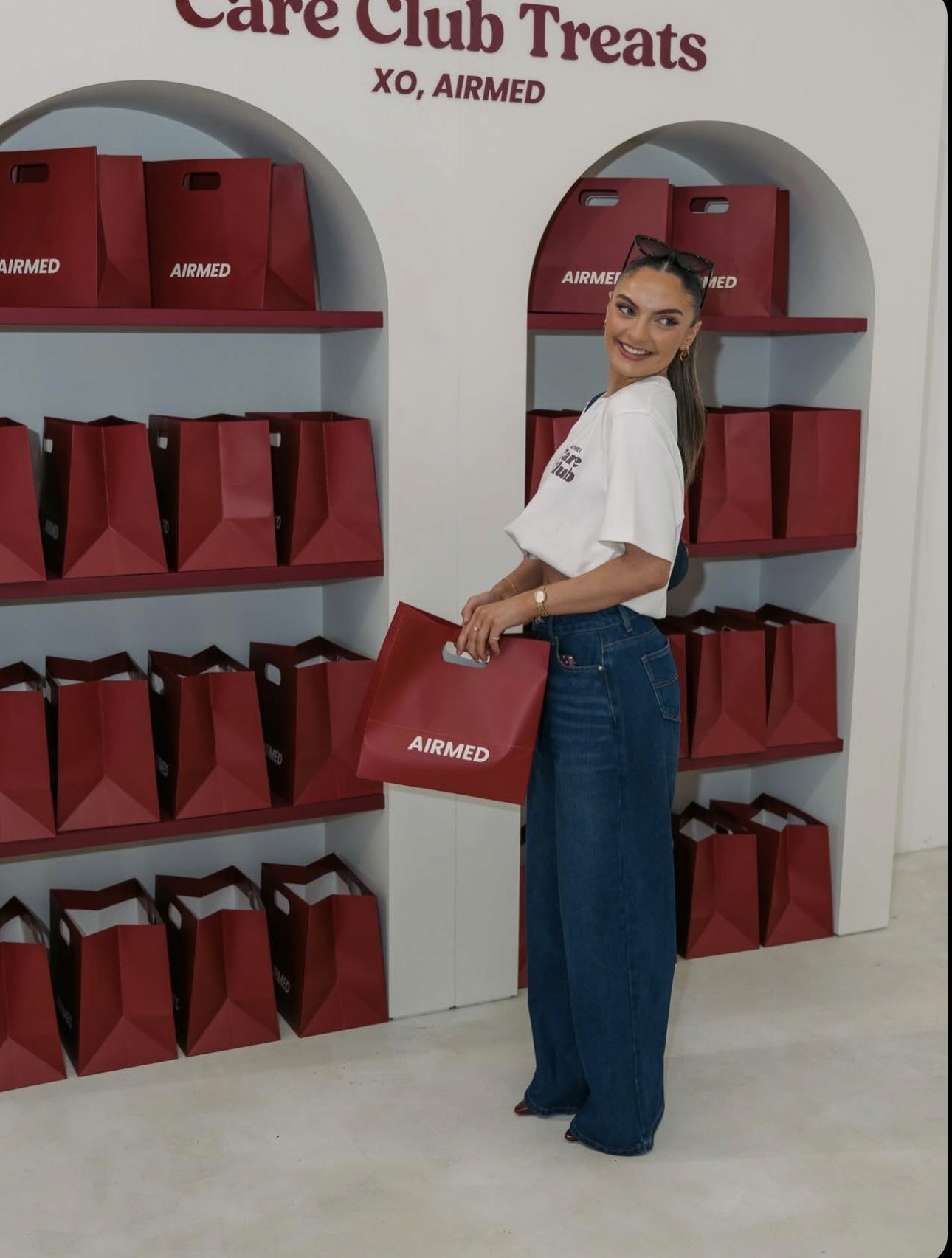
- Arrival: welcome boxes, luggage tags and the note on the pillow
- Getting ready: robes, slippers and pouches for the bridal party
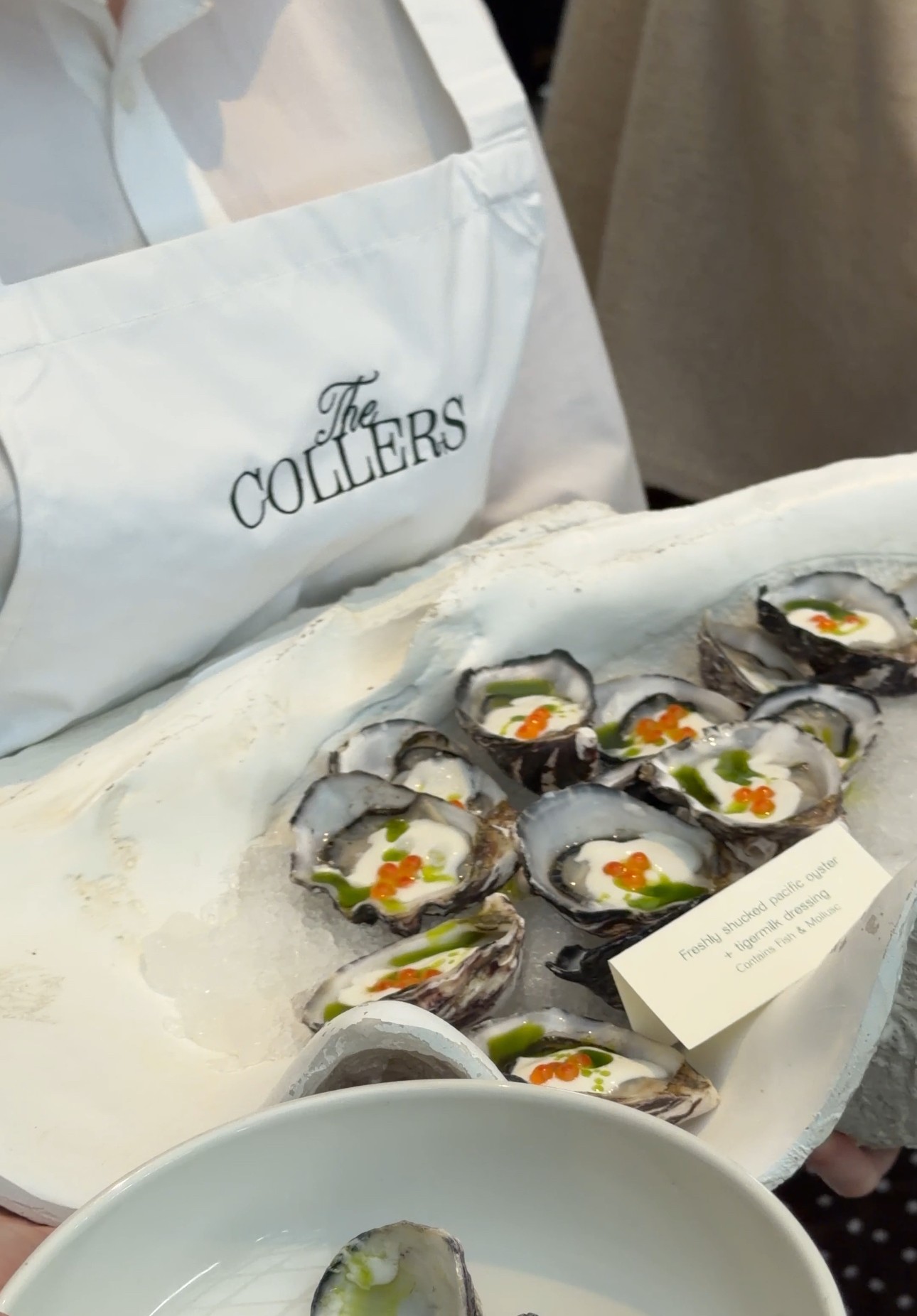
- Ceremony and reception: napkins, matchboxes, glassware and aprons for the bar team
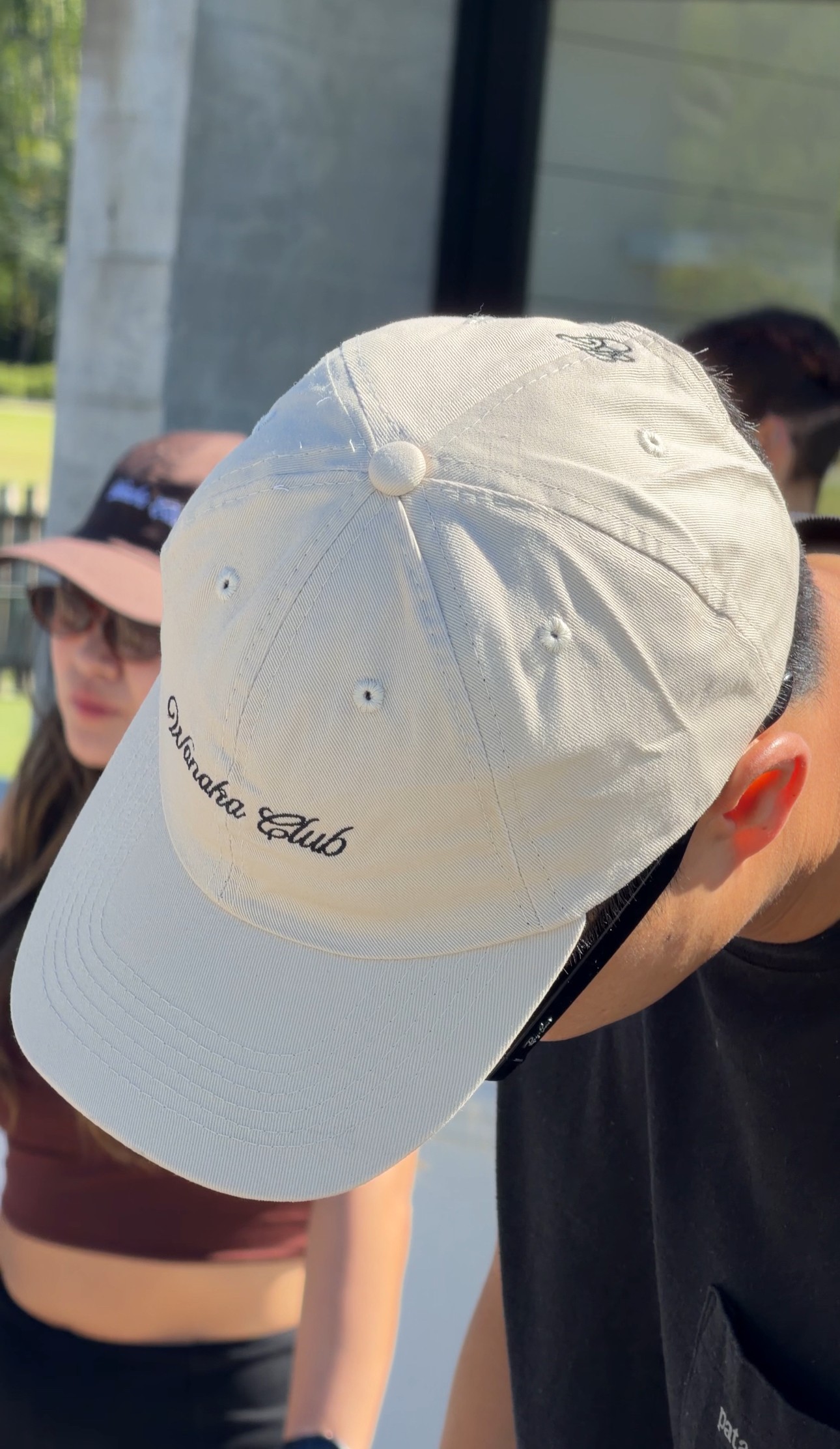
- The after-party and recovery day: cups, caps, fans and late-night food packaging
You don't need all of it. Two or three moments done well will feel more luxurious than ten done halfway.
For Planners and Stylists
If you're designing the look for a couple, the mark is often already sitting in your design deck. Bringing the custom pieces in at the same time keeps everything consistent.
- Brief the pieces while the stationery is being finalised, when the files and palette are fresh
- Keep every branded piece with one maker, so the colours and finishes match across the weekend
- Use mock-ups to present the pieces to your couple before anything is made
We work directly with planners and stylists, keep your team across every approval, and offer partner pricing for those who work with us regularly.
Timing
Allow at least 8 to 10 weeks before you need pieces in hand. Every piece is mocked up and approved before production, and production takes about four weeks from approval, plus shipping. For a destination wedding, count back from when you fly, not from the wedding date.
The Takeaway
A monogram or crest is something you've already invested in. Carrying it from the stationery onto the pieces guests hold, wear and take home is what makes a wedding feel cohesive from the first night to the last.
If you'd like to see your mark on a few pieces, send it through with your palette and we'll mock up where it could go.